
Foods That Support Brain Health: A Complete Guide to Nourishing Your Mind Naturally
🧠 Foods That Support Brain Health: The Complete Guide to Better Memory, Focus, and Cognitive Function
Your brain is one of the most energy-demanding organs in your body, consuming nearly 20% of your daily energy despite making up only about 2% of your body weight. Every thought, memory, decision, and emotion depends on the nutrients you consume.
While no single food can instantly make you smarter, scientific research consistently shows that a balanced diet rich in healthy fats, antioxidants, vitamins, minerals, and fiber can help maintain cognitive function, improve concentration, and support healthy brain aging.
In this comprehensive guide, we’ll explore the best foods for brain health, explain why they work, and provide practical tips for incorporating them into your daily meals.
Why Nutrition Matters for Brain Health
The brain requires a constant supply of oxygen and nutrients to function efficiently. Poor nutrition may contribute to inflammation, oxidative stress, and impaired communication between brain cells.
A brain-friendly diet can help:
- Improve memory
- Increase concentration
- Support learning ability
- Enhance mood
- Reduce brain fog
- Promote healthy aging
- Support long-term cognitive wellness
Healthy eating works best alongside regular exercise, quality sleep, stress management, and lifelong learning.
1. Fatty Fish: Nature’s Brain Fuel


Fatty fish are among the richest dietary sources of omega-3 fatty acids, particularly DHA and EPA, which are important structural components of brain cells.
Benefits
- Supports memory
- Helps maintain brain cell structure
- Supports communication between neurons
- May contribute to healthy cognitive aging
Best Choices
- Salmon
- Sardines
- Trout
- Mackerel
- Herring
Aim to eat fatty fish two to three times each week.
2. Blueberries and Other Berries
Berries are packed with antioxidants known as flavonoids.
These compounds help protect brain cells from oxidative stress and may support communication between neurons.
Benefits
- Supports memory
- Helps fight oxidative stress
- Supports healthy aging
- May improve learning performance
Other excellent berries include:
- Strawberries
- Blackberries
- Raspberries
3. Leafy Green Vegetables
Dark leafy greens provide vitamin K, folate, lutein, beta-carotene, and other nutrients associated with brain health.
Excellent options include:
- Spinach
- Kale
- Swiss chard
- Collard greens
- Mustard greens
These vegetables are also low in calories while being rich in fiber.
4. Walnuts and Other Nuts


Walnuts resemble the human brain—and while appearance doesn’t determine nutrition, they truly are excellent brain-supporting foods.
They provide:
- Vitamin E
- Healthy fats
- Magnesium
- Zinc
- Plant-based omega-3 fats
A small handful daily makes an excellent snack.
5. Seeds
Don’t overlook tiny nutritional powerhouses.
Great choices
- Pumpkin seeds
- Sunflower seeds
- Chia seeds
- Flaxseeds
These provide minerals including:
- Zinc
- Magnesium
- Iron
- Copper
These nutrients contribute to normal nervous system function.
6. Eggs
Eggs contain choline, a nutrient involved in producing acetylcholine, a neurotransmitter important for memory and learning.
They also provide:
- Vitamin B12
- Folate
- Protein
Enjoy boiled, scrambled, or poached eggs as part of a balanced diet.
7. Avocados
Avocados are rich in monounsaturated fats that support healthy blood circulation.
Healthy blood flow helps ensure the brain receives oxygen and nutrients efficiently.
They’re also rich in:
- Potassium
- Vitamin K
- Folate
- Fiber
8. Whole Grains
Your brain runs primarily on glucose.
Whole grains release glucose gradually, providing sustained energy rather than rapid spikes and crashes.
Excellent options include:
- Oats
- Brown rice
- Whole wheat
- Quinoa
- Barley
9. Dark Chocolate
Good news for chocolate lovers!
Dark chocolate (70% cocoa or higher) contains flavonoids, antioxidants, and a small amount of caffeine.
Potential benefits include:
- Better focus
- Improved alertness
- Mood support
- Antioxidant protection
Consume in moderation due to calories and sugar.
10. Green Tea
Green tea combines caffeine with L-theanine.
This combination may help improve:
- Attention
- Calmness
- Mental clarity
- Focus
Unlike coffee alone, many people find green tea provides smoother energy.
11. Coffee
Coffee contains antioxidants and caffeine that may temporarily enhance alertness and concentration.
Moderation is important.
For many adults, moderate coffee intake fits into a healthy diet, though individual tolerance varies.
12. Broccoli
Broccoli contains:
- Vitamin K
- Vitamin C
- Fiber
- Antioxidants
These nutrients support overall health and contribute to a nutritious eating pattern.
13. Turmeric
Turmeric contains curcumin, a natural compound being studied for its antioxidant and anti-inflammatory properties.
Many people enjoy turmeric in:
- Curries
- Soups
- Golden milk
- Rice dishes
14. Oranges and Citrus Fruits
Vitamin C helps protect cells from oxidative damage.
One orange provides a substantial amount of daily vitamin C needs.
Other choices include:
- Lemons
- Grapefruit
- Limes
15. Tomatoes
Tomatoes provide lycopene, an antioxidant that contributes to overall health.
Cooked tomatoes often make lycopene easier for the body to absorb.
16. Beans and Lentils
Beans provide:
- Protein
- Fiber
- Iron
- Folate
- Slow-release carbohydrates
They help maintain steady energy throughout the day.
17. Yogurt and Fermented Foods
Emerging research highlights the connection between gut health and brain health.
Foods like:
- Yogurt
- Kefir
- Kimchi
- Sauerkraut
contain beneficial bacteria that support a healthy gut microbiome.
18. Olive Oil
Extra virgin olive oil is a cornerstone of the Mediterranean diet.
Its healthy fats and antioxidant compounds make it a nutritious choice for cooking and salad dressings.
19. Colorful Vegetables
Eating a rainbow of vegetables increases dietary variety and provides numerous vitamins and antioxidants.
Choose:
- Bell peppers
- Carrots
- Beets
- Purple cabbage
- Sweet potatoes
20. Water
Hydration is often overlooked.
Even mild dehydration can affect:
- Attention
- Memory
- Mood
- Mental performance
Drink water regularly throughout the day.
Brain-Healthy Eating Pattern


Instead of focusing on one “superfood,” aim for a balanced dietary pattern.
Breakfast
- Oatmeal
- Blueberries
- Walnuts
- Green tea
Lunch
- Grilled salmon
- Brown rice
- Spinach salad
- Olive oil dressing
Snack
- Mixed nuts
- Apple
Dinner
- Lentil soup
- Roasted broccoli
- Whole-grain bread
Evening
- A small square of dark chocolate
Foods to Limit
For better overall health, try to reduce:
- Sugary beverages
- Excess sweets
- Highly processed snacks
- Excess trans fats
- Excess sodium
- Frequent fast food
Occasional treats are fine, but moderation is key.
Lifestyle Habits That Complement a Brain-Healthy Diet
Nutrition is only one part of maintaining cognitive wellness.
Other important habits include:
- Exercise regularly
- Sleep 7–9 hours per night
- Stay socially connected
- Keep learning new skills
- Read books
- Solve puzzles
- Practice mindfulness
- Manage stress
- Avoid smoking
- Limit excessive alcohol consumption
Common Myths About Brain Foods
Myth 1: One food can dramatically increase IQ.
No single food can instantly boost intelligence. Consistent healthy eating supports normal brain function over time.
Myth 2: Supplements are always better than food.
Whole foods provide a complex mix of nutrients and are generally the preferred source unless a healthcare professional recommends supplements.
Myth 3: Coffee damages the brain.
Moderate coffee consumption can fit into a healthy lifestyle for many people, though excessive intake may cause unwanted side effects.
Myth 4: Only older adults need brain-healthy foods.
Brain-supportive nutrition is valuable throughout life—from childhood through older adulthood.
Simple Tips for Daily Success
- Eat more fruits and vegetables.
- Include healthy fats like olive oil and nuts.
- Choose whole grains over refined grains.
- Eat fish regularly if you consume seafood.
- Stay hydrated.
- Prepare meals at home more often.
- Include protein with every meal.
- Snack on nuts instead of chips.
- Add berries to breakfast.
- Enjoy a colorful plate every day.
Frequently Asked Questions
Which food is best for memory?
There isn’t a single best food, but fatty fish, berries, leafy greens, walnuts, and whole grains are among the most researched options.
Can food improve concentration?
A balanced diet that provides steady energy, healthy fats, and essential nutrients may help support attention and focus.
Are brain supplements necessary?
Most healthy people can meet their nutritional needs through a varied diet. Consult a healthcare professional before taking supplements.
Is the Mediterranean diet good for brain health?
Research consistently associates Mediterranean-style eating patterns with healthy aging and cognitive wellness.
Conclusion
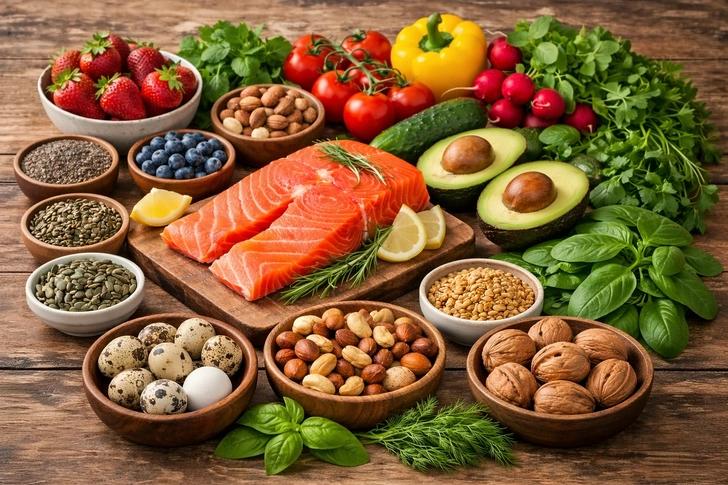
Supporting brain health begins with everyday choices. Filling your plate with nutrient-rich foods such as fatty fish, berries, leafy greens, nuts, seeds, whole grains, eggs, avocados, and colorful vegetables provides the building blocks your brain needs to function effectively.
Rather than relying on miracle foods or quick fixes, focus on maintaining a balanced diet, staying physically active, getting enough sleep, managing stress, and keeping your mind engaged. These habits work together to support memory, concentration, mood, and long-term cognitive health.
Small, consistent changes made today can contribute to better brain health for years to come.
Tags: Brain Health, Healthy Foods, Memory Boost, Brain Nutrition, Omega-3, Healthy Diet, Superfoods, Cognitive Health, Mental Wellness, Healthy Lifestyle, Antioxidants, Mediterranean Diet, Healthy Eating, Focus, Brain Food