
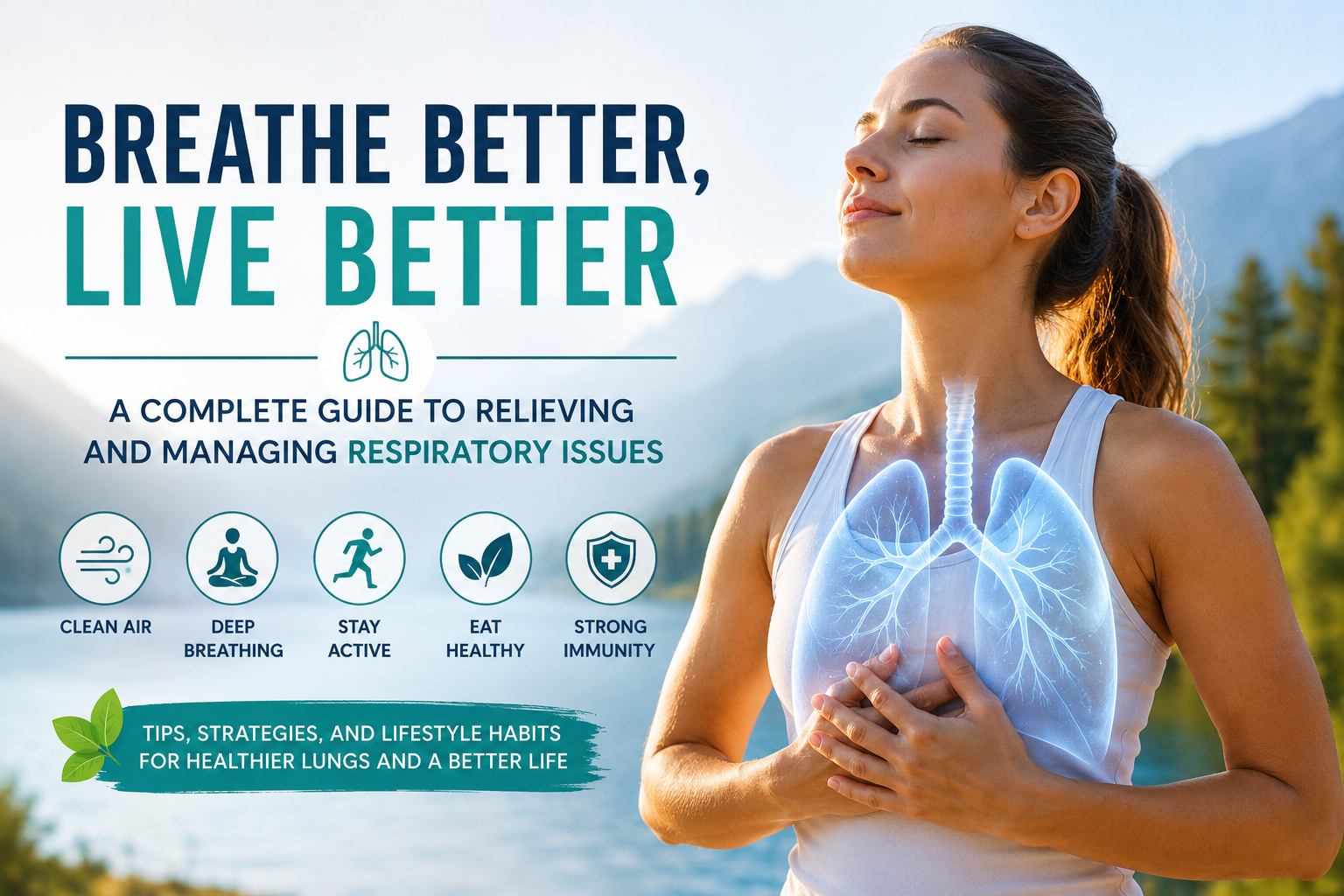
How You Can Relieve and Manage Respiratory Issues: A Complete Guide to Better Breathing
Respiratory health plays a crucial role in overall well-being. Every breath we take delivers oxygen to our body’s cells and removes carbon dioxide, supporting essential bodily functions. However, respiratory issues affect millions of people worldwide and can significantly impact quality of life. From common colds and allergies to chronic conditions such as asthma and chronic obstructive pulmonary disease (COPD), breathing problems are among the most common health concerns.


Understanding Respiratory Issues
Respiratory issues refer to conditions that affect the lungs, airways, and other parts of the respiratory system. These conditions can be temporary, such as a viral infection, or chronic, requiring long-term management.
The respiratory system includes the nose, throat, trachea, bronchi, and lungs. When any part of this system becomes inflamed, infected, or obstructed, breathing can become difficult.
Common respiratory conditions include:
- Asthma
- Bronchitis
- Pneumonia
- Chronic Obstructive Pulmonary Disease (COPD)
- Allergic rhinitis
- Influenza
- Respiratory syncytial virus (RSV)
- Sleep apnea
- Lung infections
Symptoms may range from mild discomfort to severe breathing difficulties and often include coughing, wheezing, shortness of breath, chest tightness, and fatigue.
Common Causes of Respiratory Problems
Understanding the causes of respiratory issues is the first step toward prevention and management.
1. Air Pollution
Air pollution is one of the leading environmental factors contributing to respiratory diseases. Fine particulate matter, vehicle emissions, industrial pollutants, and wildfire smoke can irritate the lungs and worsen existing conditions.
People living in urban areas are often exposed to higher levels of air pollution, increasing their risk of respiratory complications.
2. Smoking and Tobacco Use
Smoking damages lung tissue and narrows airways, making breathing more difficult. It remains one of the primary causes of COPD and lung cancer.
Even exposure to secondhand smoke can contribute to respiratory problems, especially among children and older adults.
3. Respiratory Infections
Viruses and bacteria can cause infections that affect the respiratory tract. Common examples include:
- Influenza
- Common cold
- COVID-19
- Pneumonia
- Bronchitis
These infections can lead to inflammation and mucus buildup, making breathing difficult.
4. Allergies
Allergic reactions to pollen, dust mites, pet dander, mold, and other environmental triggers can cause respiratory symptoms such as sneezing, congestion, and wheezing.
5. Occupational Hazards
Workers exposed to dust, chemicals, fumes, and industrial pollutants may develop respiratory conditions over time. Construction workers, miners, and factory employees are particularly vulnerable.
Recognizing the Symptoms
Early identification of respiratory symptoms can help prevent complications.
Common signs include:
- Persistent cough
- Shortness of breath
- Wheezing
- Chest tightness
- Rapid breathing
- Fatigue
- Excess mucus production
- Frequent respiratory infections
If symptoms worsen or interfere with daily activities, medical evaluation is essential.


Effective Ways to Relieve Respiratory Issues
While treatment depends on the underlying cause, several strategies can help improve breathing and support respiratory health.
Stay Hydrated
Drinking enough water helps thin mucus in the airways, making it easier to clear congestion. Warm fluids such as herbal tea, broth, and warm water with honey may provide additional comfort.
Use a Humidifier
Dry air can irritate the respiratory tract. Humidifiers add moisture to indoor air and may help relieve symptoms associated with colds, allergies, and sinus irritation.
Proper cleaning of humidifiers is important to prevent mold and bacterial growth.
Practice Breathing Exercises
Breathing exercises can strengthen respiratory muscles and improve lung efficiency.
Popular techniques include:
Diaphragmatic Breathing
Also known as belly breathing, this technique encourages deeper breaths by engaging the diaphragm.
Benefits include:
- Improved oxygen intake
- Reduced breathing effort
- Better relaxation
Pursed-Lip Breathing
This technique helps keep airways open longer.
Steps:
- Inhale through the nose.
- Purse your lips as if blowing out a candle.
- Exhale slowly through pursed lips.
This method is often recommended for people with COPD and asthma.
Maintain Good Indoor Air Quality
Improving indoor air quality can significantly reduce respiratory symptoms.
Tips include:
- Using air purifiers
- Keeping windows open when outdoor air quality is good
- Vacuuming regularly
- Reducing dust accumulation
- Avoiding indoor smoking
Manage Allergies
People with allergy-related respiratory issues should identify and minimize exposure to triggers.
Strategies include:
- Washing bedding weekly
- Using allergen-proof mattress covers
- Keeping pets out of bedrooms
- Monitoring pollen forecasts
- Cleaning mold-prone areas
The Role of Exercise in Lung Health
Many people assume that respiratory problems mean avoiding physical activity. In reality, appropriate exercise can improve lung function and overall fitness.
Benefits of Regular Exercise
Regular activity helps:
- Strengthen respiratory muscles
- Improve oxygen utilization
- Increase stamina
- Support cardiovascular health
- Reduce stress
Activities such as walking, cycling, swimming, and yoga can be beneficial.
Start Slowly
Individuals with respiratory conditions should begin with low-intensity activities and gradually increase intensity under medical guidance.
Nutrition for Better Respiratory Health
A healthy diet supports immune function and may reduce inflammation.
Foods That Support Lung Health
Fruits and Vegetables
Colorful fruits and vegetables contain antioxidants that help protect lung tissue from oxidative damage.
Examples include:
- Berries
- Oranges
- Carrots
- Spinach
- Bell peppers
Omega-3 Fatty Acids
These healthy fats may help reduce inflammation.
Sources include:
- Salmon
- Sardines
- Walnuts
- Chia seeds
- Flaxseeds
Whole Grains
Whole grains provide fiber and nutrients that support overall health.
Examples:
- Oats
- Brown rice
- Quinoa
- Whole wheat products
Foods to Limit
Some individuals may benefit from reducing:
- Highly processed foods
- Sugary beverages
- Excessive sodium
- Trans fats
These foods may contribute to inflammation and poor overall health.


Preventing Respiratory Illnesses
Prevention remains one of the most effective ways to protect respiratory health.
Wash Hands Frequently
Hand hygiene helps prevent the spread of respiratory infections.
Wash hands:
- Before eating
- After coughing or sneezing
- After using public transportation
- After touching shared surfaces
Stay Up to Date on Vaccinations
Vaccines can reduce the risk of several respiratory illnesses, including:
- Influenza
- COVID-19
- Pneumococcal disease
Consult healthcare providers regarding recommended immunizations.
Avoid Smoking
Quitting smoking is one of the most impactful actions for improving respiratory health.
Benefits begin quickly and continue over time, including improved lung function and reduced disease risk.
Wear Protective Equipment
Individuals exposed to dust, chemicals, or pollutants should use appropriate respiratory protection.
Examples include:
- N95 masks
- Respirators
- Workplace ventilation systems
When to Seek Medical Attention
Some respiratory symptoms require prompt medical evaluation.
Seek medical care if you experience:
- Severe shortness of breath
- Chest pain
- Bluish lips or fingernails
- High fever
- Persistent wheezing
- Coughing up blood
- Symptoms that worsen rapidly
Early treatment can prevent complications and improve outcomes.
Respiratory Health in Children
Children are particularly vulnerable to respiratory illnesses because their immune systems and lungs are still developing.
Parents can support respiratory health by:
- Ensuring vaccinations are current
- Reducing exposure to smoke
- Encouraging physical activity
- Maintaining a clean indoor environment
- Promoting proper handwashing
Monitoring symptoms closely is important, especially during cold and flu seasons.
Respiratory Health in Older Adults
Older adults face increased risks due to age-related changes in lung function and immune response.
Helpful strategies include:
- Staying physically active
- Receiving recommended vaccines
- Managing chronic conditions
- Maintaining healthy nutrition
- Seeking medical care for respiratory symptoms early
Regular health checkups can help identify issues before they become serious.
Emerging Technologies in Respiratory Care
Advances in healthcare technology are transforming respiratory care.
Innovations include:
Smart Inhalers
Smart inhalers track medication use and help improve adherence.
Telemedicine
Virtual consultations allow patients to receive medical guidance from home.
Wearable Health Devices
Modern wearables can monitor:
- Oxygen saturation
- Heart rate
- Activity levels
- Sleep quality
These tools help individuals manage respiratory conditions more effectively.
Artificial Intelligence
AI-powered systems are increasingly used to detect respiratory diseases, analyze imaging scans, and identify health trends.
These technologies may improve diagnosis and personalized treatment in the future.
Building Long-Term Respiratory Wellness
Maintaining healthy lungs requires a long-term commitment to healthy habits.
Key recommendations include:
- Avoid smoking
- Exercise regularly
- Eat a balanced diet
- Stay hydrated
- Reduce exposure to pollutants
- Manage allergies
- Practice breathing exercises
- Seek regular medical care
Small lifestyle improvements can lead to significant benefits over time.
Conclusion
Respiratory issues can range from mild, temporary conditions to chronic diseases that require ongoing management. Understanding the causes, recognizing symptoms early, and adopting healthy lifestyle habits are essential for protecting lung health.
Hydration, exercise, proper nutrition, breathing techniques, allergy management, and avoiding harmful pollutants can all contribute to better respiratory function. Advances in medical technology and preventive healthcare continue to improve outcomes for individuals living with respiratory conditions.
By taking proactive steps today, individuals can support healthier lungs, improve quality of life, and enjoy the benefits of easier, more comfortable breathing for years to come.
Tags: Respiratory Health, Lung Health, Breathing Problems, Respiratory Disease, Asthma Management, COPD Awareness, Healthy Lungs, Breathing Exercises, Air Pollution Health, Respiratory Wellness, Lung Care, Preventive Healthcare, Healthy Living, Medical Health, Respiratory System