

🥗 How Does Your Daily Diet Affect Your Overall Health?
Introduction: Why Does Your Daily Diet Matter?
The food we eat every day plays a major role in determining our overall health. From providing energy and supporting brain function to strengthening the immune system and protecting the heart, daily nutrition influences almost every activity inside the human body. A balanced diet is not simply about eating enough food; it is about providing the body with the right combination of nutrients to maintain physical, mental, and emotional well-being.
Many people focus on occasional healthy meals while overlooking their everyday eating habits. However, long-term health is influenced by what we regularly eat, how much we consume, and whether our meals provide essential nutrients. Consuming fruits, vegetables, whole grains, protein-rich foods, and healthy fats can support good health, whereas regularly eating excessive amounts of processed foods, added sugar, and salt may increase the risk of several health problems.
Let’s explore how your daily diet affects different parts of your body and why healthy eating habits are essential for a better quality of life.
🍎 How Daily Nutrition Supports Your Body
Every food contains different nutrients that perform specific functions. Carbohydrates provide energy, proteins support tissue repair, fats help hormone production and nutrient absorption, and vitamins and minerals regulate important biological processes.
A nutritious diet supplies the body with these essential nutrients in appropriate amounts. When nutritional needs are met, the body can maintain normal metabolism, repair damaged tissues, support organ function, and produce energy efficiently.
For example, whole grains provide carbohydrates and dietary fibre, while vegetables and fruits supply vitamins, minerals, antioxidants, and other beneficial plant compounds. Protein-rich foods such as lentils, beans, dairy products, eggs, fish, and nuts help maintain muscles and support cellular repair.
Water is equally important because it supports digestion, temperature regulation, circulation, and the transportation of nutrients throughout the body.
❤️ The Impact of Your Diet on Heart Health
Your daily eating habits can significantly influence cardiovascular health. The heart requires a healthy nutritional environment to function properly, and certain dietary patterns can help maintain healthy blood pressure and cholesterol levels.
Foods containing excessive saturated fats, trans fats, sodium, and added sugars may contribute to cardiovascular risk when consumed regularly. In contrast, diets rich in vegetables, fruits, whole grains, legumes, nuts, and unsaturated fats are associated with better cardiovascular health.
For example, including walnuts, almonds, flaxseeds, and other sources of unsaturated fats can help improve the overall quality of your diet. Reducing excessive salt consumption may also help manage blood pressure.
A heart-friendly diet is not about avoiding every enjoyable food. It is about making nutritious foods the foundation of everyday meals.
🧠 How Food Influences Brain Function and Mental Health
The brain requires a continuous supply of energy and essential nutrients to perform everyday activities. Your daily diet can influence concentration, memory, mood, and cognitive performance.
Nutrients such as omega-3 fatty acids, B vitamins, iron, zinc, and antioxidants support different aspects of brain function. Foods such as nuts, seeds, leafy green vegetables, whole grains, and fruits can contribute to a balanced nutritional pattern.
Eating irregularly or relying heavily on sugary snacks may lead to fluctuations in energy levels. Similarly, inadequate nutrition can affect concentration and general well-being.
A healthy breakfast containing whole grains, protein, and fruit can provide a nutritious start to the day. Drinking sufficient water and maintaining regular meal patterns can also support daily mental performance.
🛡️ Daily Diet and Immune System Function
Your immune system protects your body against infections and harmful microorganisms. It depends on several nutrients to develop and maintain normal immune function.
Vitamin C, vitamin D, zinc, iron, vitamin A, and protein all play important roles in immune health. Deficiencies in essential nutrients can weaken normal immune responses.
Including citrus fruits, guava, amla, carrots, spinach, beans, lentils, nuts, and seeds can help provide important nutrients.
However, no single food can prevent every infection or guarantee strong immunity. A balanced diet works alongside adequate sleep, physical activity, vaccination, and good hygiene to support overall health.
⚖️ How Eating Habits Affect Body Weight and Metabolism
Daily food choices influence how the body uses and stores energy. Consuming more energy than the body needs over an extended period can contribute to weight gain, while consistently consuming too little can result in nutritional deficiencies and loss of muscle mass.
Highly processed foods, sugary drinks, and frequent high-calorie snacks can make it easier to consume excessive calories without obtaining enough essential nutrients.
A balanced meal containing protein, fibre-rich carbohydrates, vegetables, and healthy fats can support fullness and help maintain stable eating habits.
For example, replacing sugary beverages with water and choosing whole fruit instead of frequent packaged sweets are simple changes that can improve dietary quality.
🦠 The Connection Between Diet and Gut Health
Your digestive system contains trillions of microorganisms collectively known as the gut microbiome. These microorganisms participate in digestion, nutrient metabolism, and interactions with the immune system.
Daily food choices can influence the diversity and activity of gut microorganisms.
Fibre-rich foods such as oats, whole wheat, beans, lentils, bananas, apples, and vegetables provide substrates that beneficial gut bacteria can use. Fermented foods such as curd and yoghurt may also contribute to a healthy dietary pattern.
On the other hand, a diet consistently low in fibre and heavily dependent on highly processed foods may negatively affect dietary quality and gut health.
Eating a variety of plant-based foods is a practical way to support digestive health.
🦴 Strong Bones and Healthy Muscles Through Nutrition
Your bones and muscles require adequate nutrition throughout life.
Calcium and vitamin D are particularly important for maintaining bone health. Protein supports muscle maintenance and tissue repair, while minerals such as magnesium and phosphorus contribute to normal body functions.
Milk, curd, paneer, sesame seeds, ragi, leafy green vegetables, pulses, and fortified foods can contribute to calcium intake.
For muscle health, include protein sources such as lentils, chickpeas, kidney beans, soybeans, dairy products, eggs, and other suitable protein-rich foods.
Combining proper nutrition with regular physical activity, including strength-building exercises, helps maintain healthy bones and muscles.
🍬 The Effects of Unhealthy Eating Habits
Regularly consuming an unbalanced diet may gradually affect different body systems.
| Unhealthy eating habit | Possible health effects |
|---|---|
| Excessive added sugar | Increased risk of weight gain and metabolic problems |
| Too much salt | Increased blood pressure risk |
| Low fibre intake | Constipation and poor digestive health |
| Excessive processed foods | Poor overall dietary quality |
| Inadequate protein | Muscle loss and impaired tissue repair |
| Insufficient water | Dehydration and digestive discomfort |
| Skipping nutritious meals | Inadequate nutrient intake and irregular energy levels |
It is important to remember that health outcomes depend on the overall dietary pattern, physical activity, genetics, sleep, and other lifestyle factors.
🥦 Foods You Should Include in Your Daily Diet
A healthy daily diet should include different food groups rather than relying on only a few ingredients.
🍊 Fresh fruits
Oranges, guava, papaya, bananas, apples, and seasonal fruits provide vitamins, minerals, fibre, and antioxidants.

🥬 Vegetables
Spinach, carrots, broccoli, tomatoes, and other seasonal vegetables supply essential micronutrients and dietary fibre.
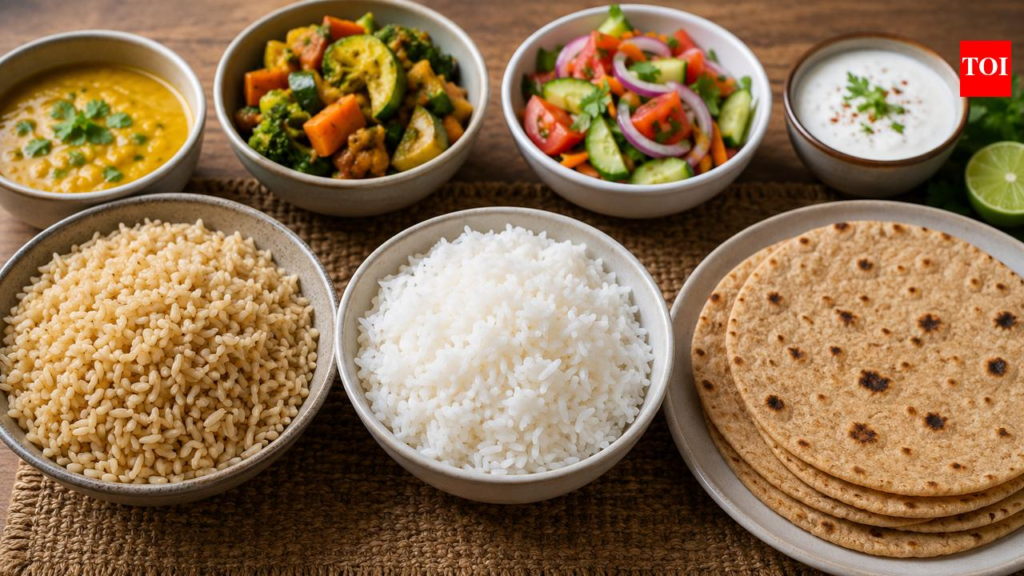
🌾 Whole grains
Oats, brown rice, whole wheat, millets, and ragi provide energy and fibre.
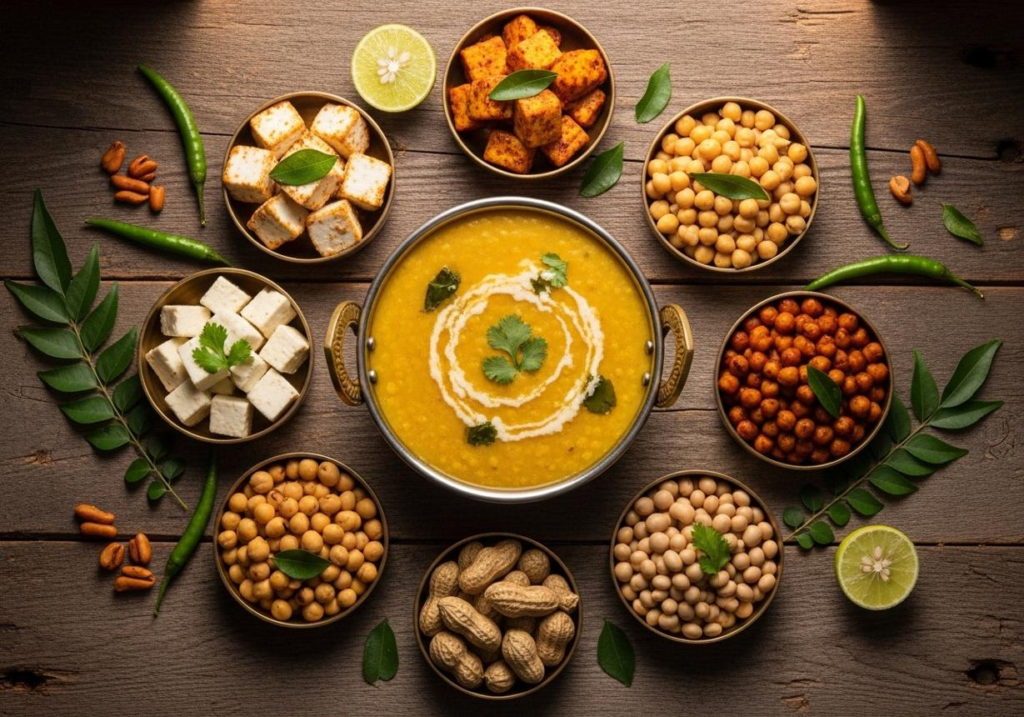
🥜 Protein-rich foods
Lentils, chickpeas, kidney beans, soybeans, tofu, and paneer support muscle maintenance and tissue repair.
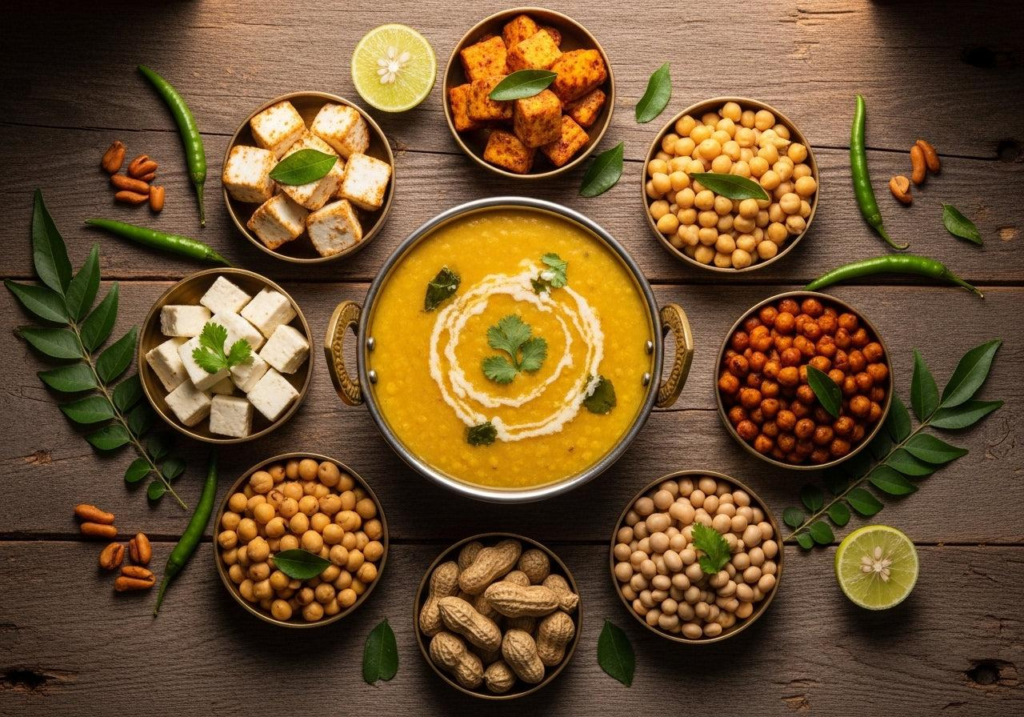
🥑 Healthy fats
Almonds, walnuts, flaxseeds, chia seeds, and suitable vegetable oils provide beneficial unsaturated fats.
🍽️ Example of a Balanced Daily Indian Diet
A healthy eating routine does not have to be expensive or complicated. Traditional Indian foods can provide a variety of nutrients when meals are planned carefully.
| Meal | Healthy food choices |
|---|---|
| Early morning | Water and a small portion of soaked almonds |
| Breakfast | Vegetable poha, oats, or vegetable upma with curd |
| Mid-morning | Guava, papaya, or seasonal fruit |
| Lunch | Roti or rice, dal, seasonal vegetables, curd, and salad |
| Evening snack | Roasted chana, peanuts, or fruit |
| Dinner | Vegetable khichdi, dal, roti, and cooked vegetables |
| Throughout the day | Water according to individual needs |
This is an illustrative meal pattern, not a personalized prescription. Portion sizes and nutritional requirements depend on age, activity level, health conditions, and individual needs.
🌱 Simple Daily Habits for Better Nutrition
Developing healthy eating habits does not require changing everything overnight. Small, consistent improvements can make a meaningful difference over time.
Eat a variety of foods: Include different fruits, vegetables, grains, pulses, and protein sources instead of eating the same limited foods every day.
Reduce added sugar: Limit sugary drinks, packaged sweets, and foods containing excessive added sugar.
Choose whole foods more often: Prefer fresh and minimally processed ingredients for everyday meals.
Drink sufficient water: Maintain hydration throughout the day, adjusting intake according to weather, activity, and individual needs.
Control portion sizes: Eat according to hunger, fullness, and energy requirements.
Avoid unnecessary meal skipping: Maintain a regular eating routine that suits your lifestyle.
Combine nutrition with exercise: Regular walking, cycling, yoga, and strength exercises complement healthy eating habits.
📊 Quick Overview: How Diet Affects Different Body Systems
| Body system | How healthy nutrition helps |
|---|---|
| Heart | Supports healthy blood pressure and cholesterol |
| Brain | Provides nutrients needed for cognitive function |
| Digestive system | Supports digestion and gut microorganisms |
| Immune system | Supports normal immune responses |
| Bones | Supplies calcium, vitamin D, and other nutrients |
| Muscles | Provides protein for maintenance and repair |
| Skin | Supplies nutrients involved in skin maintenance |
| Metabolism | Supports normal energy production and nutrient processing |
⚠️ Common Myths About Healthy Eating
One common misconception is that healthy eating requires expensive imported foods. In reality, affordable local ingredients such as seasonal vegetables, lentils, chickpeas, peanuts, ragi, and whole grains can provide excellent nutritional value.
Another myth is that carbohydrates are always unhealthy. Carbohydrates are an important energy source, and whole grains, fruits, and legumes provide beneficial fibre and nutrients.
Some people also believe that skipping meals automatically leads to weight loss. However, meal skipping does not guarantee better weight management and may make it harder for some people to meet their nutritional needs.
Healthy eating is not about following extreme diets or eliminating entire food groups without a medical reason. It is about balance, variety, moderation, and consistency.
🔬 What Does Science Say About Daily Diet and Long-Term Health?
Nutrition research consistently highlights the importance of overall dietary patterns rather than individual superfoods. Diets rich in fruits, vegetables, whole grains, legumes, nuts, and appropriate protein sources are associated with better long-term health outcomes.
The World Health Organization emphasizes healthy dietary principles such as adequacy, balance, moderation, and diversity.
The Food and Agriculture Organization also highlights the importance of healthy diets that provide essential nutrients and support good nutrition throughout life.
Nevertheless, nutritional needs vary between individuals. Children, older adults, pregnant women, athletes, and people living with chronic health conditions may require different dietary approaches.
🌟 Conclusion: Small Daily Food Choices Create Long-Term Health Benefits
Your daily diet has a powerful influence on your overall health. It affects heart function, brain performance, digestion, immunity, bone strength, muscle maintenance, and metabolic health. Eating nutritious foods regularly helps provide the essential nutrients your body needs to function properly.
The best approach is to build a balanced eating routine that includes fruits, vegetables, whole grains, pulses, protein-rich foods, healthy fats, and sufficient water. At the same time, reducing excessive salt, added sugar, and highly processed foods can improve the overall quality of your diet.
Remember, healthy eating is not a temporary challenge or a restrictive diet. It is a long-term lifestyle choice. Even small improvements in your everyday food habits can contribute to better health and quality of life over time.