
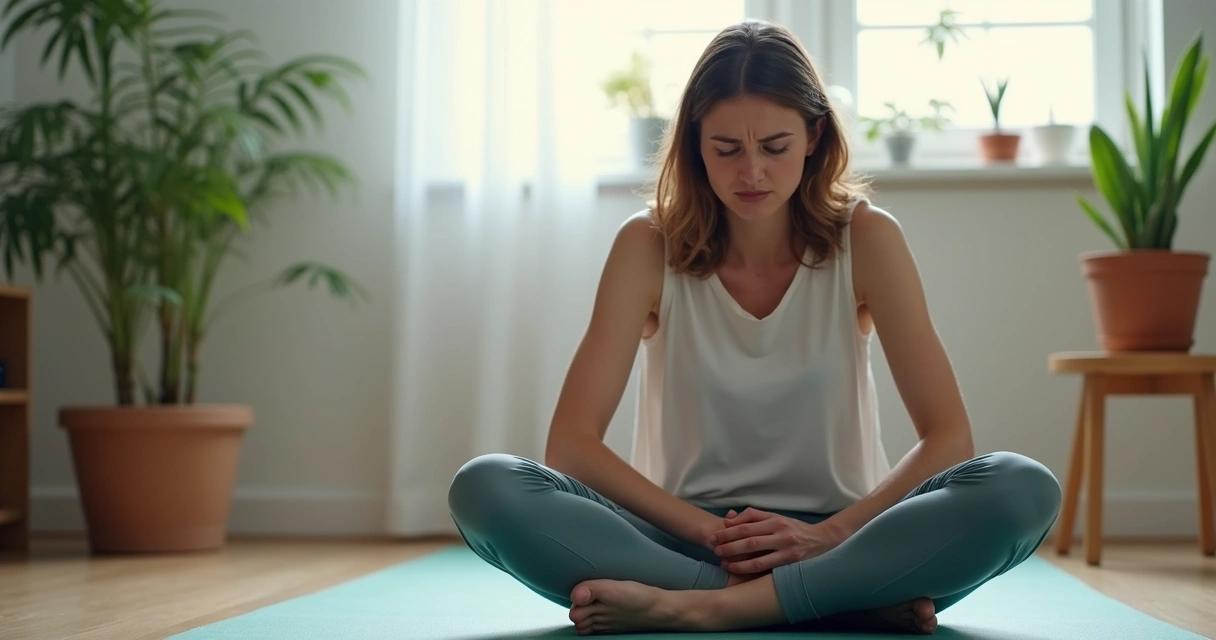
Meditation Can Be Harmful – And Can Even Make Mental Health Problems Worse: Understanding the Hidden Risks 🧘♀️🧠
Meta Description: Meditation is widely promoted as a way to reduce stress and improve mental health, but research shows that it can sometimes trigger anxiety, depression, traumatic memories and other unwanted experiences. Discover the potential risks, warning signs, scientific findings and safer approaches to mindfulness.
Introduction: The Hidden Side of Meditation
Meditation has become one of the most popular wellness practices in the modern world. Millions of people use mindfulness exercises, breathing techniques and guided meditation applications to manage everyday stress, improve concentration and support emotional wellbeing.
From corporate workplaces and schools to hospitals and fitness centres, meditation is frequently presented as a simple way to achieve a calmer and healthier mind.
Social media has also contributed to its popularity. Influencers, wellness professionals and motivational speakers regularly recommend meditation as a daily habit that can improve sleep, reduce anxiety and create emotional balance.
However, there is another side to this increasingly popular practice that deserves attention.
Although meditation can provide benefits for many people, it is not universally beneficial or completely risk-free. Some individuals experience increased anxiety, emotional discomfort, disturbing memories, depression or changes in their perception after meditating.
For certain vulnerable individuals, particularly those with existing psychological difficulties, intensive meditation may make symptoms worse rather than better.
A review published in Current Opinion in Psychology in February 2026, titled Beyond Serenity: Adverse Effects of Meditation and Mindfulness in Clinical Practice, highlights the importance of recognising unwanted experiences associated with meditation. The researchers discuss reports of anxiety, depression and traumatic re-experiencing, while emphasising the need for better screening, informed consent and ongoing monitoring. PubMed+1
This research does not mean that everyone should stop meditating. Instead, it challenges the assumption that every meditation technique is suitable for every individual.
Mental health is complicated, and practices that help one person may create difficulties for another.
Understanding these potential risks can help people make informed decisions, recognise warning signs and choose approaches that support rather than undermine their wellbeing.
Why Meditation Is Not Always a Positive Experience

Meditation is generally described as a practice that involves directing attention towards breathing, bodily sensations, thoughts or present-moment experiences.
Different techniques have different goals. Some focus on relaxation, while others encourage awareness of thoughts and emotions without immediately reacting to them.
For many people, these exercises provide a useful opportunity to slow down and reduce everyday distractions.
However, meditation also changes how people interact with their internal experiences.
When someone sits quietly and pays close attention to their thoughts, feelings and physical sensations, they may become more aware of emotions that were previously ignored or avoided.
This can include ordinary worries, unresolved personal conflicts, painful memories or uncomfortable physical sensations.
For some individuals, this increased awareness can be manageable and helpful.
For others, it may feel overwhelming.
A person experiencing anxiety might become increasingly focused on their heartbeat, breathing or physical sensations. Someone with a history of trauma may experience unexpected memories or emotional reactions during a meditation session.
This does not mean that meditation creates every underlying psychological problem. Rather, certain practices may bring existing difficulties into awareness or intensify distress.
The experience can also depend on several factors, including the meditation technique, session duration, personal circumstances, previous experience and the environment in which the practice takes place.
The important lesson is that meditation should not automatically be treated as harmless simply because it is associated with relaxation and wellness.
What Scientific Research Says About Meditation-Related Risks
Scientific research into meditation has traditionally focused heavily on its possible benefits.
Studies have investigated whether mindfulness can support stress management, emotional regulation, sleep quality and psychological wellbeing.
However, researchers have increasingly recognised the need to investigate unwanted experiences as well.
One important systematic review published in 2020 examined 83 studies involving 6,703 meditation participants.
The researchers reported an overall prevalence of adverse events of approximately 8.3%. Anxiety, depression and cognitive anomalies were among the most commonly reported categories. The findings varied considerably depending on the type of study and how adverse experiences were measured. PubMed+1
A more recent 2026 review highlighted a wider range of reported adverse experiences across different meditation settings.
It noted that estimates from some studies ranged from 25% to 87%, with functional impairment reported in certain groups. These figures should not be interpreted as the percentage of all people who meditate and suffer lasting harm. Different studies use different methods, populations and definitions of adverse experiences. PubMed+1
The distinction between temporary discomfort and serious harm is especially important.
Feeling uncomfortable during a meditation session does not necessarily mean that someone has experienced psychological injury.
However, persistent anxiety, worsening depression, disturbing memories or difficulties functioning in daily life deserve attention.
A 2026 Study Examines the Risks of Brief Meditation
A randomized controlled trial published in JMIR Mental Health on September 14, 2026, investigated adverse experiences associated with short digital meditation exercises.
The research included 5,049 participants who were assigned to brief mindfulness, self-compassion or gratitude practices, or to an internet-use comparison condition.
Across the analysed sample, approximately 4.1% reported a distressing experience during the intervention, while 7.1% experienced an increase in negative affect.
Importantly, participants assigned to the brief meditation interventions were not more likely to report a distressing experience than those assigned to ordinary internet use.
The researchers also found that the 10-minute meditation condition was associated with a higher likelihood of distressing experiences than the five-minute condition.
These findings suggest that brief meditation practices can carry some risk, but they do not establish that short meditation generally worsens mental health. JMIR Mental Health+1
Together, these studies demonstrate why meditation safety deserves the same thoughtful attention given to other psychological and wellness interventions.
How Meditation Can Trigger Anxiety and Emotional Distress
Anxiety is one of the frequently reported unwanted experiences associated with meditation.
This may appear surprising because meditation is commonly recommended for stress reduction.
However, some mindfulness exercises involve paying close attention to physical sensations, thoughts and emotions.
For an individual who experiences anxiety, this increased attention can sometimes make uncomfortable sensations more noticeable.
Becoming Overly Focused on Breathing
Many meditation exercises encourage people to concentrate on their breathing.
This can help some individuals develop a sense of calm and present-moment awareness.
However, people who experience panic symptoms may already be highly sensitive to breathing patterns.
Paying close attention to inhalation, exhalation or chest movements may increase awareness of sensations that they find frightening.
Someone who worries about breathing difficulties might begin monitoring every breath.
Instead of feeling relaxed, the individual may become increasingly concerned about whether they are breathing correctly.
In such situations, a breathing-focused exercise may not be the most comfortable approach.
Increased Awareness of Physical Sensations
Meditation practices sometimes involve scanning different parts of the body.
Participants are encouraged to notice tension, warmth, movement and other physical sensations.
For some people, this increases awareness and helps them recognise stress.
For others, especially individuals who are already highly alert to bodily sensations, the exercise may increase discomfort.
A person experiencing anxiety might interpret ordinary sensations as signs of danger.
This can create a cycle in which attention increases worry and worry produces even greater attention to physical sensations.
Feeling Unable to Control Thoughts
Some people begin meditation expecting their minds to become completely empty.
When thoughts continue appearing, they may feel frustrated or believe they are failing.
This expectation can create unnecessary pressure.
Mindfulness does not require eliminating every thought. It generally involves noticing thoughts without automatically following or judging them.
Nevertheless, people who already struggle with perfectionism or anxiety may find it difficult to approach the practice without self-criticism.
Meditation should not become another activity that creates feelings of failure.
Can Meditation Make Depression Worse?

Meditation is sometimes recommended as part of a broader approach to managing depressive symptoms.
Mindfulness-based cognitive therapy, for example, combines mindfulness practices with elements of cognitive behavioural therapy. It has been studied as an approach to reducing the risk of recurring depression.
However, this does not mean every form of meditation is appropriate for everyone experiencing depression.
Some individuals may find that prolonged periods of silence and inward attention bring difficult emotions into sharper focus.
Repeated Negative Thoughts
People experiencing depression may struggle with recurring negative thoughts about themselves, their relationships or their future.
During meditation, these thoughts may become more noticeable.
Although mindfulness encourages individuals to observe thoughts without automatically accepting them as facts, learning this skill can be challenging.
Someone unfamiliar with the technique might become absorbed in negative thinking instead of developing a more balanced perspective.
For example, a person who feels unsuccessful may begin thinking about past mistakes during a quiet meditation session.
Without appropriate guidance, the exercise could turn into an extended period of rumination.
Emotional Overwhelm
Meditation sometimes encourages individuals to acknowledge emotions rather than immediately distracting themselves from uncomfortable feelings.
This can be useful in suitable therapeutic settings.
However, someone experiencing severe depressive symptoms may find it difficult to manage intense emotions without additional support.
They might experience increased sadness, helplessness or emotional exhaustion.
It is important to recognise that these reactions do not happen to everyone who meditates while experiencing depression.
The relationship between meditation and depression is complex, and evidence also supports certain structured mindfulness-based interventions for selected people.
The National Center for Complementary and Integrative Health (NCCIH) explains that meditation is generally considered to have relatively few risks, but research into potential harmful effects remains limited. It also notes that anxiety and depression have been among the negative experiences reported in research. NCCIH+1
For people with depression, the most important consideration is whether the particular practice improves or worsens their overall wellbeing.
Meditation should never replace appropriate professional treatment when treatment is needed.
Meditation and Trauma: Why Looking Inward Can Sometimes Be Difficult
Trauma can affect how individuals experience their bodies, emotions, memories and surroundings.
For some people, certain experiences may remain emotionally difficult long after the original event has passed.
Meditation exercises that encourage deep inward attention can sometimes bring these experiences into awareness.
This is particularly relevant to practices involving prolonged silence, body scanning and intensive observation of thoughts.
Unexpected Traumatic Memories
Some meditation participants report experiencing memories or emotional reactions that they did not expect.
A person might remember a frightening experience, feel sudden sadness or experience physical sensations associated with an earlier traumatic event.
These reactions may be confusing, particularly when the individual expected meditation to produce relaxation.
A meditation session is not necessarily an appropriate environment for processing severe trauma.
Trauma-informed psychological treatment generally involves careful attention to personal safety, emotional regulation and the individual’s ability to tolerate difficult experiences.
Meditation may sometimes form part of a broader therapeutic approach, but it should be adapted to the person’s needs.
Feeling Disconnected From the Present
Some individuals may experience feelings of detachment or unreality during or after certain meditation practices.
These experiences can be particularly distressing for people who have previously struggled with dissociation.
Dissociation can involve feeling disconnected from one’s body, surroundings, emotions or sense of identity.
Not every unusual sensation during meditation represents a clinical dissociative condition. However, persistent or frightening experiences should not be ignored.
A person who begins feeling detached from everyday surroundings after meditation should stop the practice and seek appropriate professional guidance.
Why Trauma-Informed Guidance Matters
Meditation teachers should understand that participants have different psychological backgrounds.
An instruction to close the eyes, remain completely still or focus intensely on bodily sensations may feel comfortable to one participant but distressing to another.
A trauma-informed approach offers choices.
Participants should be allowed to keep their eyes open, change positions, pause exercises or use external points of attention.
Most importantly, nobody should be pressured to continue a meditation practice that makes them feel unsafe.
Can Intensive Meditation Cause More Serious Psychological Problems?
Most people who practise ordinary meditation will not develop a serious psychiatric condition because of it.
However, clinical literature includes reports of more severe adverse experiences associated with some intensive meditation practices.
These reports include unusual perceptual experiences, severe emotional disturbances, manic symptoms and psychosis-like experiences.
The evidence is complicated because it is difficult to determine whether meditation directly caused these conditions, contributed to an existing vulnerability or occurred alongside other factors.
The Difference Between Everyday Meditation and Intensive Retreats
A five-minute guided mindfulness exercise is very different from an extended meditation retreat.
Some intensive retreats involve several hours of meditation every day, reduced social interaction and long periods of silence.
Participants may experience changes in sleep, daily routines and environmental stimulation.
These conditions can create additional psychological demands.
For individuals with certain vulnerabilities, intensive practices may be particularly difficult.
A person with a history of mania or psychosis, for example, should discuss intensive meditation with an appropriately qualified mental health professional before participating.
Sleep Disruption and Psychological Vulnerability
Sleep is essential for emotional regulation and mental health.
Intensive retreats or demanding meditation schedules may sometimes disrupt ordinary sleeping patterns.
When someone is already vulnerable to mood instability, sleep disruption can be an important concern.
Sudden changes in sleep, unusually elevated energy, racing thoughts or unusual perceptions should not automatically be interpreted as signs of spiritual development.
They may require prompt clinical assessment.
Why Professional Assessment Is Important
Meditation teachers are not necessarily trained to diagnose psychiatric conditions.
If a participant develops severe anxiety, confusion, unusual perceptions or significant behavioural changes, a qualified healthcare professional should assess the situation.
The purpose is not to label every unusual meditation experience as an illness.
It is to make sure that serious symptoms receive appropriate attention rather than being dismissed.
Who May Need Extra Caution Before Starting Meditation?
What Is CBT And How Is It Used? | Master’s Counselling Calgary
Meditation is not a single standardised activity.
Different techniques place different demands on attention, emotional awareness and physical sensations.
Consequently, people may respond differently depending on their psychological history and current circumstances.
Certain groups may benefit from discussing their plans with a qualified professional before starting intensive meditation.
People with existing anxiety disorders
Individuals who experience panic attacks or strong anxiety around bodily sensations may find certain breath-focused practices uncomfortable.
An alternative approach may be more suitable, depending on professional advice and personal preferences.
People with a history of trauma
Those who experience traumatic memories or dissociation may need additional support when practising exercises involving inward attention.
Trauma-informed guidance can help identify suitable adaptations.
People with bipolar disorder
Individuals with bipolar disorder should be cautious about intensive practices that may disrupt sleep or routines.
Meditation should not replace prescribed treatment or clinical monitoring.
People with a history of psychosis
Those who have experienced psychosis or unusual perceptual disturbances should seek professional advice before attempting intensive meditation.
This is especially important when considering extended retreats or practices involving prolonged isolation.
People experiencing severe depression
Individuals experiencing severe depressive symptoms may need structured psychological care rather than relying on meditation alone.
Mindfulness-based interventions can be useful in selected circumstances, but the appropriate approach depends on the individual’s condition and treatment needs.
People new to meditation
Beginners may not know how to respond when an exercise produces unexpected emotional reactions.
Starting gently, choosing a comfortable environment and avoiding pressure to continue can help make the experience more manageable.
These considerations are not automatic reasons to prohibit meditation. They are reasons to make informed choices and recognise individual differences.
Warning Signs That Meditation May Be Making You Feel Worse
Worried woman sitting on the sofa, head in hand, contemplating
One of the biggest challenges surrounding meditation-related adverse experiences is recognising when discomfort has become a problem.
Some temporary restlessness or emotional discomfort may occur during psychological exercises.
However, persistent symptoms or a noticeable decline in everyday functioning should be taken seriously.
Here are some warning signs worth recognising.
Increasing Anxiety After Meditation
If meditation sessions regularly leave someone feeling more anxious, frightened or physically uncomfortable, the technique may not be appropriate.
Repeated distress should not be treated as proof that the practice is working.
Persistent Sadness or Emotional Exhaustion
Someone who experiences worsening sadness, hopelessness or emotional exhaustion after meditation should reconsider continuing the exercise without professional guidance.
Disturbing Memories or Flashbacks
Unexpected traumatic memories can be particularly distressing.
If these experiences become frequent or interfere with daily activities, professional support is important.
Sleep Problems
Changes in sleep patterns can influence emotional wellbeing.
If meditation practices are associated with difficulty sleeping, disturbing dreams or unusually reduced sleep, the person should reconsider the routine.
Feeling Detached or Disconnected
Persistent feelings of unreality, detachment or disconnection from the body deserve attention.
These experiences should not automatically be interpreted as spiritual progress.
Difficulty Managing Everyday Activities
The most important warning sign is a negative impact on daily functioning.
If someone struggles to work, study, maintain relationships or complete ordinary responsibilities after meditation, the practice should be stopped while they seek appropriate guidance.
When to seek urgent help
If meditation is followed by severe confusion, hallucinations, extreme mood changes, thoughts of suicide or an inability to remain safe, stop the practice and seek urgent medical or mental health assistance. If there is immediate danger, contact local emergency services.
How to Practise Meditation More Safely

The possibility of unwanted experiences does not mean meditation should be avoided by everyone.
Many people find mindfulness helpful, and structured meditation programmes can provide benefits when appropriately designed and delivered.
The goal should be to approach meditation with realistic expectations and an understanding that different techniques suit different people.
Here are several ways to make meditation more comfortable and responsible.
Start With Short Sessions
Beginners do not need to spend long periods meditating.
A short, manageable session may be more appropriate than immediately attempting extended exercises.
People should pay attention to how they feel during and after each session rather than following a rigid timetable.
The 2026 randomized trial discussed earlier also found more distressing experiences in its 10-minute condition than its five-minute condition, although this finding does not establish a universal safe duration. JMIR Mental Health
Choose a Comfortable Technique
Not every meditation technique involves closing the eyes and concentrating on breathing.
Some people may prefer gentle movement, walking meditation or noticing sounds in their surroundings.
Others may find simple relaxation exercises more comfortable.
The important point is to select a method that does not create unnecessary distress.
Keep Your Eyes Open if Necessary
Closing the eyes is common in meditation, but it is not essential for every practice.
Some individuals feel more comfortable keeping their eyes open and maintaining awareness of their surroundings.
This may help people who experience discomfort when focusing too intensely on internal sensations.
Avoid Forcing Difficult Emotions
Meditation should not become an exercise in forcing yourself to confront painful memories or intense emotions.
If an experience becomes overwhelming, it is reasonable to stop, open your eyes, move around and reconnect with your surroundings.
There is no requirement to complete a session at any cost.
Avoid Unsupervised Intensive Retreats
Extended meditation retreats can involve demanding schedules and prolonged periods of silence.
Beginners and people with existing mental health concerns should avoid assuming that an intensive experience is automatically more beneficial.
Before participating, consider the teacher’s qualifications, the programme’s safety arrangements and the availability of professional support.
Seek Professional Guidance
If you have a mental health condition or have experienced distress during meditation, discuss the practice with a qualified healthcare professional.
A psychologist or psychiatrist can help determine whether a particular technique is appropriate alongside other treatment.
Meditation should complement suitable care rather than replace it.
What Are the Alternatives to Meditation for Managing Stress?
Walk-and-Talk Therapy for Stress & Anxiety — Dreavita
Meditation is only one possible approach to managing stress.
People who find mindfulness uncomfortable can explore other activities that support emotional wellbeing.
There is no single technique that works equally well for everyone.
Walking outdoors
Spending time in nature and taking a comfortable walk can provide a break from daily responsibilities.
Walking also creates opportunities for physical activity and interaction with the surrounding environment.
Regular physical exercise
Appropriate physical activity can support general health and psychological wellbeing.
Activities such as swimming, cycling, dancing and gentle exercise may provide enjoyable ways to manage everyday stress.
People should choose activities that suit their physical abilities and health circumstances.
Maintaining social connections
Talking with trusted friends, relatives or supportive colleagues can help people feel less isolated.
Human relationships provide emotional understanding and practical support that an AI wellness application or meditation recording cannot replace.
Creative activities
Painting, gardening, cooking, music and writing can provide opportunities for expression and enjoyment.
Creative activities may help people focus on something meaningful without requiring intensive inward attention.
Improving sleep habits
Maintaining a regular sleep schedule, reducing unnecessary nighttime screen use and creating a comfortable sleeping environment can support mental wellbeing.
Professional psychological support
For people experiencing persistent anxiety, depression or trauma-related symptoms, evidence-based psychological treatment may be more appropriate than self-guided meditation.
Cognitive behavioural therapy and other professionally delivered interventions can be tailored to individual circumstances.
These alternatives are not competing wellness trends. They are different approaches that people can explore according to their needs.
Why the Wellness Industry Needs to Talk More Honestly About Meditation Risks
Meditation has become a major part of the global wellness industry.
Applications, online courses, corporate programmes and retreat centres promote different meditation techniques to people seeking better mental health.
While many providers offer useful educational resources, wellness marketing sometimes presents meditation as a universal solution.
This can create unrealistic expectations.
People may believe that meditation should always produce calmness, happiness and emotional balance.
When they experience discomfort, they might assume that they are practising incorrectly or need to continue for longer.
This is not always a helpful message.
A responsible approach should acknowledge that meditation can produce different experiences and that some people may need to modify or discontinue particular practices.
The Need for Better Research
Researchers need more consistent methods for measuring meditation-related adverse experiences.
Studies should distinguish between temporary discomfort, persistent psychological symptoms and severe clinical outcomes.
They should also investigate how different meditation techniques affect different populations.
For example, a brief guided mindfulness exercise should not be treated as equivalent to an intensive residential retreat.
Research should examine practice duration, supervision, participant history and the availability of support.
Better evidence can help healthcare professionals make more informed recommendations.
Meditation Teachers Need Appropriate Training
Meditation instructors should understand the possible psychological difficulties associated with their programmes.
They should know how to recognise distress, provide alternatives and refer participants to qualified professionals when necessary.
They should also avoid making medical promises or suggesting that meditation can replace psychiatric treatment.
Mental Health Conversations Should Be Free From Judgement
People who experience negative reactions to meditation should be taken seriously.
They should not be criticised for being unable to relax or told that distress is simply part of personal growth.
A supportive environment allows participants to discuss difficult experiences without embarrassment.
Ultimately, the success of a wellness practice should be measured by its contribution to wellbeing, not by how closely someone follows a particular routine.
The Future of Meditation and Mental Health Research
Top 6 Neuroscience Breakthroughs of 2024
The future of meditation research is likely to focus increasingly on understanding why people respond differently to the same practice.
Researchers are exploring the relationship between attention, emotional regulation, psychological vulnerability and the intensity of contemplative exercises.
This work could help develop more personalised mindfulness programmes.
Instead of recommending one technique to everyone, future programmes may consider a person’s preferences, psychological history and response to earlier sessions.
Digital wellness platforms may also need better ways to communicate risks and allow users to adjust or stop exercises easily.
For example, an application could explain that users are not required to continue an exercise if they become distressed.
However, automated applications should not be treated as substitutes for professional assessment when someone experiences significant psychological symptoms.
A More Balanced Understanding of Mindfulness
Mindfulness should be understood as a skill that may be useful in certain circumstances, not as a guaranteed method of achieving happiness.
Some individuals benefit from observing their thoughts and emotions. Others may find that different activities provide more comfortable ways to manage stress.
Both experiences deserve respect.
Future mental health guidance should move beyond the idea that meditation is automatically beneficial.
Instead, it should encourage informed participation, appropriate supervision and careful attention to individual responses.
This balanced perspective can help people access the potential benefits of meditation while recognising its limitations.
Conclusion: Meditation Is Not a Universal Solution for Mental Health
Meditation is often presented as one of the simplest ways to improve mental health, reduce stress and achieve emotional balance. However, scientific research shows that the experience is not always positive.
Some individuals may experience anxiety, depression, disturbing memories, emotional discomfort or other unwanted psychological reactions.
The risks may depend on the meditation technique, session intensity, personal circumstances and existing mental health vulnerabilities.
This does not mean meditation is dangerous for everyone. Many people benefit from appropriately designed mindfulness programmes, and research continues to investigate their effectiveness.
The most important lesson is that mental health practices should be adapted to individual needs.
People should not feel pressured to meditate simply because it is popular. They should pay attention to their emotional responses, recognise warning signs and seek professional support when necessary.
Meditation should be a choice, not an obligation.
True mental wellbeing is not about forcing the mind to become silent. It is about finding healthy, sustainable ways to understand and care for yourself. ❤️
Frequently Asked Questions (FAQs)
Can meditation make anxiety worse?
Yes. Some people experience increased anxiety during or after meditation, particularly when concentrating intensely on breathing, physical sensations or uncomfortable thoughts.
Can meditation trigger depression?
Some individuals report worsening sadness, negative thinking or emotional distress during meditation. People experiencing persistent depressive symptoms should seek professional advice.
Is meditation dangerous for people with trauma?
Certain meditation practices may bring up traumatic memories or uncomfortable sensations. Trauma-informed guidance and individually adapted approaches may be important.
Can meditation cause psychological problems?
Adverse experiences have been reported, including anxiety, depression and unusual perceptual experiences. However, evidence does not establish that meditation directly causes every reported psychiatric problem.
How long should beginners meditate?
There is no universally safe duration for everyone. Beginners should avoid forcing themselves into long sessions and should stop if they experience significant distress.
Should people with mental health conditions meditate?
Some people with mental health conditions benefit from professionally guided mindfulness programmes. Others may need modified approaches or alternatives. A qualified healthcare professional can help assess suitability.
What should someone do if meditation makes them feel worse?
Stop the exercise, move to a comfortable environment and seek professional guidance if symptoms persist or become severe. Urgent symptoms require prompt medical attention.