
Gut Microbiome and Mental Health: How Your Gut May Influence Your Mood, Stress, and Brain Health 🦠🧠
Your gut does much more than digest food. It contains trillions of microorganisms that help process nutrients, interact with your immune system, and produce substances that influence communication between the digestive system and the brain. Scientists are increasingly investigating whether these microscopic communities may help explain why digestive health, stress, anxiety, and mood sometimes appear to be connected.
Have you ever experienced stomach discomfort before an important exam, felt nauseated during a stressful situation, or noticed changes in your digestion when you were anxious? These experiences illustrate one part of the relationship between the gut and the brain. The connection works in both directions: emotional stress can affect digestion, while signals from the gut can influence processes involved in mood and stress regulation.
Research into the gut microbiome and mental health has become an important area of modern health science. Studies are examining how intestinal microorganisms interact with the nervous system, immune responses, hormones, and dietary patterns. A 2025 systematic review and meta-analysis of clinical trials reported promising results for probiotics in reducing symptoms of depression and anxiety, although differences between studies mean that the findings must be interpreted cautiously.
Oxford Academic
+1
Does this mean that improving gut health can make you happier? Not necessarily. The science is promising, but it is still developing. Understanding what researchers know—and what remains uncertain—can help us make informed decisions about food, lifestyle, and mental well-being.

Add to Favorites

Add to Favorites

9
Add to Favorites
What Is the Gut Microbiome? 🔬
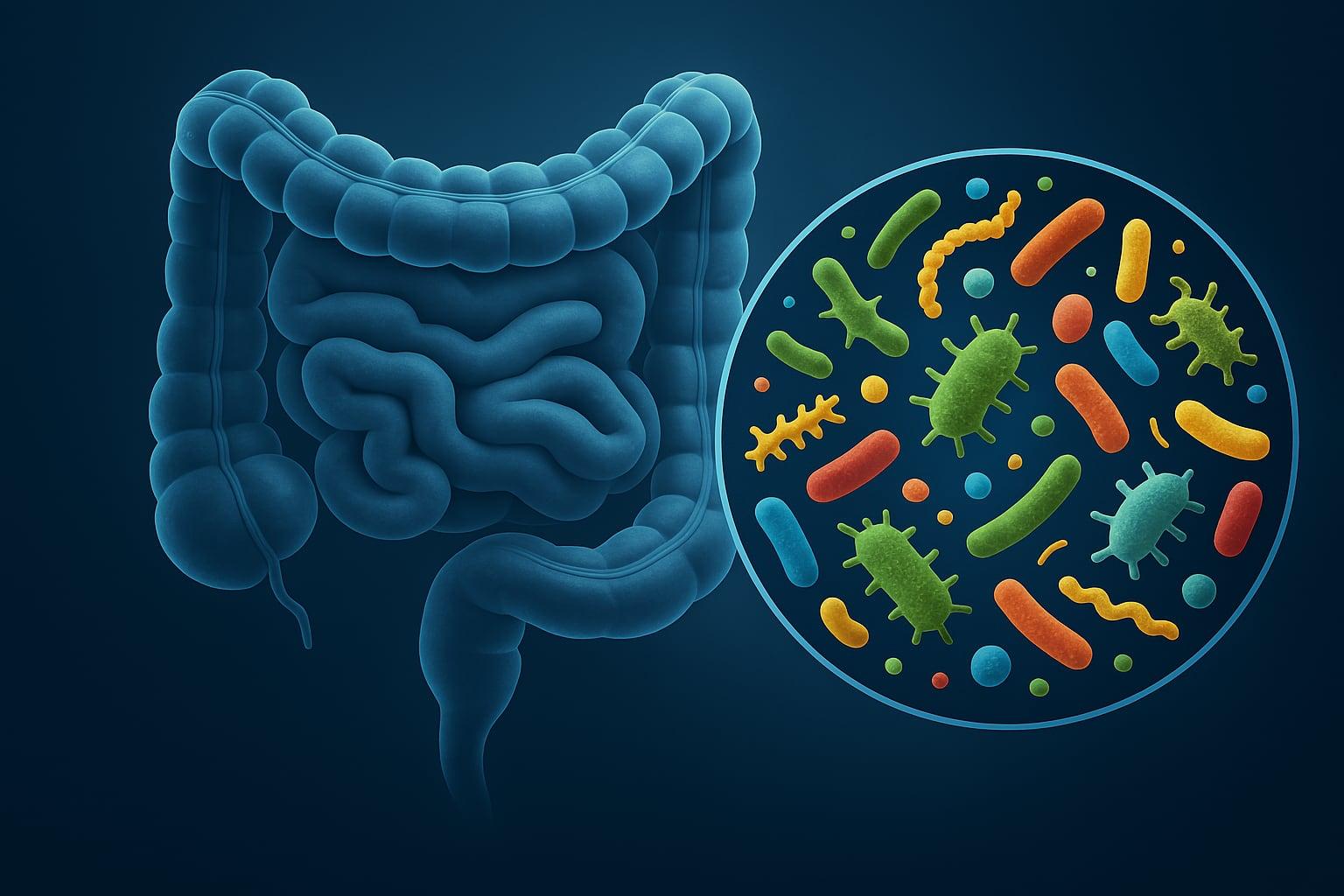
The gut microbiome refers to the community of microorganisms living in the digestive tract, especially the large intestine. It includes bacteria, viruses, fungi, and other microscopic organisms, along with their genetic material and biological activities.
Many of these microorganisms are harmless or beneficial under normal conditions. They help break down components of food that human digestive enzymes cannot fully process, support the intestinal barrier, interact with immune cells, and produce metabolites that participate in different bodily functions.
The microbiome is not identical in every person. Its composition and activity can be influenced by age, diet, genetics, medications, environment, infections, sleep, stress, and other lifestyle factors. Even healthy people can have substantially different microbial communities.
Why gut bacteria matter
Some intestinal bacteria help ferment dietary fiber into short-chain fatty acids, including acetate, propionate, and butyrate. These compounds contribute to intestinal health and can influence immune and metabolic processes.
Other microorganisms interact with the intestinal lining and help shape the body’s response to microbes and food. The overall balance of these activities may matter more than simply having a high number of particular bacterial species.
Researchers sometimes use the term dysbiosis to describe an altered microbial community associated with a health condition. However, dysbiosis is not one universal diagnosis: there is no single microbiome profile that can currently be used to diagnose every person’s digestive or mental health problems.
Understanding this complexity is essential because the gut microbiome is a dynamic ecosystem, not a simple collection of good and bad bacteria.
What Is the Gut–Brain Axis? 🧠🔄
The gut–brain axis is the network of communication pathways connecting the digestive system with the brain and spinal cord. It involves several systems working together, including nerves, hormones, immune signals, and chemical substances produced by intestinal microorganisms.
The gut and brain constantly exchange information. This helps regulate digestion, appetite, stress responses, and other bodily functions.
Add to Favorites
1. The vagus nerve: A communication pathway
The vagus nerve is one of the major nerves linking the brain with organs in the chest and abdomen, including parts of the digestive system. It carries information in both directions and helps regulate processes such as digestion and heart rate.
Signals originating in the gut can reach the brain through vagal pathways, while the brain can influence intestinal movement, secretion, and sensitivity through autonomic nervous system activity.
Researchers are investigating how microbial activity influences some of these signals. However, it would be inaccurate to assume that every change in gut bacteria directly changes brain function through the vagus nerve.
2. Hormones and the stress response
The brain responds to stress partly through the hypothalamic–pituitary–adrenal (HPA) axis. This system helps regulate the release of cortisol and other hormones involved in responding to challenges.
Stress can change intestinal movement, sensitivity, permeability, and the environment in which microorganisms live. In turn, microbial metabolites and immune signals may interact with pathways involved in stress regulation.
This creates a potentially important feedback loop: stress can affect the gut, and gut-related signals may influence how the body responds to stress.
3. Immune system communication
The intestine contains a large and active part of the body’s immune system. Gut microorganisms interact with immune cells and the intestinal barrier, helping shape the body’s response to different environmental exposures.
When the intestinal barrier or immune regulation is disrupted, inflammatory signals may change. Scientists are studying whether these changes contribute to certain mental health conditions in some people.
However, inflammation is complex. Depression and anxiety have multiple contributing factors, and neither condition can be explained simply by the presence of intestinal inflammation.
4. Microbial metabolites and chemical messengers
Gut microorganisms produce or modify substances that can affect intestinal cells, immune activity, and metabolic pathways. These include short-chain fatty acids, bile-acid derivatives, and compounds involved in tryptophan metabolism.
Some gut bacteria also produce substances related to neurotransmitters, including gamma-aminobutyric acid (GABA). Yet producing a neurotransmitter-like substance in the intestine does not automatically mean that it reaches the brain or has a direct effect on mood.
The scientific challenge is to determine which microbial products matter in humans, under what conditions they act, and how large their effects are.
Can Gut Health Influence Mental Health? 💚
The relationship between gut health and mental well-being is an active research topic. Several lines of evidence suggest that the microbiome may be one contributing factor in a much larger biological system.
Gut health and depression
Depression is a complex condition involving psychological, social, genetic, neurological, and biological factors. Researchers have found differences in gut microbial composition or activity in some groups of people with depression, but the findings vary between studies.
Diet, medication, physical activity, sleep, chronic illness, and stress can influence both gut microbes and mental health. These overlapping factors make it difficult to determine whether a microbiome difference contributes to depression, results from depression-related changes, or reflects other influences.
A systematic review and meta-analysis published in Nutrition Reviews in 2025 assessed 23 randomized controlled trials involving 1,401 participants with clinically diagnosed depression and/or anxiety. Its analysis found that probiotic interventions were associated with reductions in depression symptoms, but the studies varied considerably in their formulations and results. The authors emphasized the need for further research.
Oxford Academic
+1
This is encouraging evidence, but it does not mean that probiotics cure depression or that every person with depression has an unhealthy microbiome.
Gut health and anxiety
Anxiety can affect the digestive system through changes in intestinal movement, sensitivity, and autonomic nervous system activity. People with anxiety may experience nausea, abdominal discomfort, bloating, or altered bowel habits.
The reverse relationship is also being studied. Intestinal signals may influence pathways associated with stress responses and emotional regulation.
Research reviews have reported potential benefits from some probiotic and synbiotic interventions on anxiety symptom scores. Nevertheless, study results are inconsistent, and researchers have not established a universally effective probiotic strain, dose, or treatment duration for anxiety.
ScienceDirect
+1
Gut health and stress
Short periods of stress can change appetite and digestion. Persistent stress may affect sleep, food choices, bowel habits, and other behaviors that influence the gut environment.
For example, a person experiencing prolonged work pressure might sleep less, eat fewer fiber-rich foods, rely more heavily on convenience foods, and experience constipation or diarrhea. These changes may influence the microbiome while also making stress harder to manage.
This illustrates why gut health and mental well-being should be considered together without assuming that one is always the cause of the other.
Gut health and cognitive function
Scientists are also investigating possible connections between the microbiome, memory, attention, and age-related cognitive changes. Much of the mechanistic evidence comes from laboratory or animal studies, while human research remains less conclusive.
It is too early to recommend a specific probiotic or microbiome test for improving memory or preventing dementia. A balanced diet, regular physical activity, adequate sleep, and management of cardiovascular risk factors remain important components of overall brain health.
How Diet Shapes the Gut Microbiome 🥗
Food is one of the most practical factors people can influence to support a healthy intestinal environment. Different dietary patterns provide different nutrients to the microorganisms living in the gut.
A varied diet rich in plant foods can supply fermentable fibers and other compounds that gut microorganisms use. By contrast, a diet consistently low in fiber may provide fewer of these substrates.
Diet does not determine mental health on its own, but eating well can support digestive, metabolic, and general physical health.


1. Dietary fiber: Fuel for beneficial microbes
Dietary fiber is found in foods such as oats, beans, lentils, chickpeas, vegetables, fruits, and whole grains. Some types of fiber are fermented by gut microorganisms, producing short-chain fatty acids and other metabolites.
In an Indian vegetarian diet, affordable sources include dal, chana, rajma, peas, oats, whole-wheat roti, seasonal vegetables, and fruit.
Increasing fiber gradually may help reduce digestive discomfort and support regular bowel movements. A sudden large increase, especially without enough fluid, can worsen gas or bloating in some people.
2. Fermented foods: Curd and other traditional choices
Fermented foods are produced through the activity of microorganisms. Examples include curd or yogurt with live cultures, some fermented vegetables, and certain traditional fermented foods.
Curd can provide protein and calcium as well as live microorganisms when suitable cultures remain present. However, not every fermented food contains live microbes when eaten, and the microbial effects differ by food and preparation method.
Fermented foods can be part of a varied diet, but they should not be treated as a guaranteed remedy for depression or anxiety.
3. Fruits and vegetables: A variety of plant compounds
Fruits and vegetables provide vitamins, minerals, fiber, and polyphenols. Some of these compounds interact with gut microorganisms, while others support health through different pathways.
Affordable options include bananas, guava, papaya, oranges, carrots, spinach, pumpkin, and seasonal local produce. Variety is useful because different plants contain different types of fiber and other bioactive compounds.
No single fruit or vegetable is required to maintain a healthy microbiome. Regular access to a range of affordable plant foods is a more realistic goal.
4. Nuts and seeds: Nutrients in small portions
Peanuts, sesame seeds, flaxseeds, and other nuts and seeds provide varying amounts of unsaturated fats, protein, fiber, and micronutrients.
A small serving can add nutritional variety without requiring expensive specialty products. Ground flaxseed can be added to oats, porridge, or curd, while roasted peanuts can serve as an inexpensive snack.
These foods are not direct treatments for mental health conditions, but they can contribute to an overall balanced dietary pattern.
5. Protein sources for a balanced diet
Protein supports the maintenance and repair of body tissues. Protein-rich foods also provide amino acids that the body uses for many functions, including the production of neurotransmitters and other molecules.
Vegetarian sources include lentils, chickpeas, beans, milk, curd, paneer, tofu, and soy chunks. Individual protein requirements vary with body size, age, activity, and health status.
Eating a variety of protein sources can help meet nutritional needs while complementing a fiber-rich diet.
Prebiotics, Probiotics, and Postbiotics: What Is the Difference?
These terms are often used together in gut-health marketing, but they refer to different things.
| Term | Meaning | Food or product examples |
|---|---|---|
| Prebiotics | Substances used selectively by host microorganisms that confer a health benefit | Certain fibers found in onions, garlic, oats, legumes, and other plant foods |
| Probiotics | Live microorganisms that confer a health benefit when administered in adequate amounts | Certain researched strains in specific supplements or fermented products |
| Postbiotics | Preparations of inanimate microorganisms and/or their components that confer a health benefit | Certain specifically formulated products studied for particular uses |
| Synbiotics | Combinations of live microorganisms and substrates that are selectively used by host microorganisms and provide a health benefit | Specific combined formulations |
The distinction matters because a product labelled “gut health” is not automatically effective for every condition. Evidence for a particular strain, dose, or formulation cannot simply be transferred to another product.
Are probiotic supplements good for depression?
Research suggests that certain probiotic formulations may help reduce depressive symptoms in some study populations. A 2024 meta-analysis of 12 randomized controlled trials involving 707 participants found mixed results depending on the symptom measurement scale used. Some analyses favored probiotics, while others did not show statistically significant differences.
Springer Nature Link
+1
A larger 2025 meta-analysis also reported promising findings, but high variation between trials remains an important limitation.
Oxford Academic
+1
For this reason, probiotics should not be regarded as a universal mental health supplement. People considering them should discuss suitability with a healthcare professional, especially if they have significant medical conditions or a weakened immune system.
Should everyone take a probiotic?
No. Many people can support their digestive health through a balanced diet without purchasing a supplement. Whether a probiotic is useful depends on the reason for taking it, the specific strain, the product’s quality, and the person’s health.
Probiotics may also cause mild digestive symptoms in some users. Serious complications are uncommon but can occur in vulnerable individuals. Supplements should not replace prescribed treatment or professional assessment.
The Role of Ultra-Processed Foods in Gut Health 🍟
Ultra-processed foods include many packaged snacks, sugary drinks, confectionery products, and ready-to-eat meals formulated with multiple industrial ingredients. Their nutritional quality varies, so it is important to consider the overall dietary pattern rather than assume that every packaged food has the same effect.
Diets high in some ultra-processed foods can displace fiber-rich foods such as vegetables, legumes, and whole grains. This may reduce the variety of substrates available to gut microorganisms.
Researchers are investigating how dietary patterns affect microbial composition, intestinal barrier function, inflammation, and metabolic health. Some of these pathways may also be relevant to mental well-being, although the specific causal links remain under investigation.
PMC
+1
How to make practical food changes
You do not need to eliminate every packaged food to improve your eating habits. Instead, start with small, affordable changes. Replace some sugary drinks with water, add vegetables to lunch and dinner, include dal or beans regularly, and choose fruit or roasted chana for snacks more often.
For people living in India, traditional meals can provide an excellent foundation. Dal, roti, rice, vegetables, curd, and seasonal fruit can form part of a nutritious diet without requiring costly supplements or imported health products.
Seven Daily Habits That May Support Your Gut and Brain 🌿
A healthy microbiome is influenced by more than food. Daily habits can affect digestion, stress regulation, sleep, and general well-being.

1. Eat a variety of plant foods
Include vegetables, fruits, legumes, and whole grains across the week. Increase fiber gradually if your current diet is low in it.

2. Stay adequately hydrated
Drink water regularly throughout the day. Fluid requirements vary with climate, activity, diet, and medical conditions.

Add to Favorites
3. Move your body regularly
Walking, cycling, dancing, and other suitable activities support general physical and mental health. Start with a manageable amount and increase gradually.

4. Maintain a consistent sleep schedule
Most adults need at least seven hours of sleep each night. Regular sleep and wake times can help support mood, attention, and daily functioning.

5. Practise stress management
Try slow breathing, meditation, journaling, or a relaxing hobby. These practices may help manage stress, although they do not replace mental health treatment.

6. Follow regular, balanced meals
Choose a sustainable eating pattern that meets your energy and nutritional needs. Avoid unnecessary restrictive diets based on unproven microbiome claims.

7. Make time for social connection
Spending time with supportive friends and family may improve emotional well-being. Social support is an important part of mental health, independent of any direct effect on gut microbes.
These habits support general health. They should not be presented as a proven protocol for changing the microbiome to treat a psychiatric condition.
A Simple One-Day Gut-Friendly Indian Meal Plan 🍛
The following is an example of how to combine familiar vegetarian foods with fiber and protein. Portions should be adjusted to your appetite, nutritional needs, allergies, and medical advice.

Breakfast
Vegetable poha with peanuts and a serving of fruit. Alternatively, choose oats or vegetable upma.

Checking Favorites status
Lunch
Roti or rice, dal, a seasonal vegetable preparation, and cucumber salad.

Afternoon snack
Roasted chana, peanuts, or fruit. Choose an option that suits your dietary needs.

Dinner
Moong dal khichdi with vegetables, or roti with beans or dal and cooked vegetables.
Plain curd or yogurt with live cultures can be included if tolerated. If dairy causes symptoms, choose suitable alternatives that meet your nutritional needs.
Important: This is a general meal example, not a treatment for depression, anxiety, irritable bowel syndrome, or another medical condition. People with food intolerances, allergies, or digestive disorders may need individual adjustments.
What Does the Latest Research Actually Say? 📚
The growing interest in gut microbiome research can make preliminary findings sound more certain than they are. A closer look at systematic reviews helps put the evidence into perspective.
Evidence from clinical trials
A systematic review published online in December 2024 and appearing in the July 2025 issue of Nutrition Reviews examined 23 randomized controlled trials involving 1,401 clinically diagnosed participants. Its pooled analysis reported reductions in depression and anxiety symptom scores with probiotic interventions. However, results varied between studies, and the researchers identified substantial heterogeneity. The review also found that prebiotics did not significantly reduce depression symptoms in the pooled analysis.
Oxford Academic
+1
These findings are important because randomized controlled trials provide stronger evidence about treatment effects than observational studies alone. Nevertheless, a pooled improvement in symptom scores does not automatically establish that a supplement is effective for every patient or that it produces lasting recovery.
Why the findings remain uncertain
Studies differ in the strains of microorganisms used, their doses, intervention duration, participant characteristics, concurrent treatments, and outcome measures. A benefit observed with one formulation cannot be assumed for another.
Researchers also need larger, well-designed trials that examine meaningful clinical outcomes, longer-term effects, safety, and which groups of patients may benefit most.
A 2024 meta-analysis of probiotic trials found that results differed according to the depression assessment tool used. This reinforces the need for careful interpretation rather than treating all positive findings as equivalent.
Springer Nature Link
+1
Can a gut microbiome test predict mental health?
Commercial microbiome tests may describe the microorganisms detected in a stool sample, but their results are not currently sufficient to diagnose depression or anxiety or to identify a universally optimal diet for mental health.
There is no established clinical microbiome score that reliably tells every individual which foods or supplements will improve their mood. Test results should not be used as a substitute for a clinical assessment.
What about fecal microbiota transplantation?
Fecal microbiota transplantation involves transferring processed material from a donor’s stool to a recipient to alter the recipient’s intestinal microbial community. It has established medical uses in specific circumstances, particularly certain recurrent Clostridioides difficile infections, under appropriate clinical supervision.
Its use for psychiatric disorders remains investigational. It should not be attempted as a do-it-yourself treatment or pursued for depression or anxiety outside appropriate medical and research settings.
Common Myths About Gut Health and Mental Health ❌
Myth 1: All mental health problems begin in the gut.
Mental health conditions have many interacting causes, including biological, psychological, and social factors. The microbiome may be relevant to some pathways, but it does not explain every condition.
Myth 2: Eating curd will cure depression.
Curd can be a nutritious food, but its microbial content varies. There is no strong basis for claiming that ordinary curd alone cures depression.
Myth 3: More bacteria always mean better gut health.
Microbial diversity can be useful to study, but higher diversity is not automatically better in every situation. The types of organisms, their functions, and the person’s health all matter.
Myth 4: Everyone needs probiotic supplements.
Many people can maintain a healthy dietary pattern without supplements. Probiotic benefits are strain- and condition-specific, and not all products have demonstrated clinical benefits.
Myth 5: A healthy microbiome eliminates anxiety.
Nutrition and digestive health may support overall well-being, but anxiety can require psychological therapy, medication, or other professional care. Gut-focused approaches are not a replacement for evidence-based treatment.
When Should You Seek Professional Help? 🩺
Digestive symptoms such as persistent abdominal pain, ongoing diarrhea, unexplained weight loss, blood in the stool, or prolonged changes in bowel habits warrant medical assessment.
Likewise, ongoing sadness, loss of interest in usual activities, excessive worry, panic, or sleep disruption that interferes with daily life deserves attention from a qualified healthcare professional. A person should not have to wait until symptoms become severe before seeking support.
If you already take medication for a mental health condition, do not stop or reduce it because of a dietary change, probiotic supplement, or microbiome test result. Discuss complementary approaches with your treating clinician.
If you experience thoughts of suicide or feel unable to stay safe, seek urgent help from local emergency services or a crisis support service.
The Future of Gut Microbiome and Mental Health Research 🔬
Future research may help scientists understand why some people respond to microbiome-related interventions while others do not. Rather than focusing only on which bacterial species are present, researchers are increasingly interested in microbial function, metabolites, immune activity, diet, and the interaction between these factors.
Personalized nutrition
A future possibility is that dietary advice could be better tailored to a person’s nutritional needs, medical history, food preferences, and possibly validated microbiome-related biomarkers. However, routine microbiome-guided mental health diets are not yet an established standard of care.
Psychobiotics
The term psychobiotics is used for certain probiotics and other microbiome-targeted approaches being investigated for potential effects on mental health. The field is promising, but more research is needed to determine which interventions work, for whom, and under what conditions.
Better clinical trials
Researchers need adequately powered studies with transparent methods, appropriate control groups, consistent symptom assessments, safety monitoring, and longer follow-up. They must also examine whether symptom improvements translate into meaningful benefits in daily functioning and quality of life.
The goal is not to replace mental health care with gut health products. It is to understand whether microbiome-targeted approaches can eventually provide safe, useful additions to existing treatment.
Conclusion: Caring for Your Gut Is Part of Caring for Your Overall Health 🌿
The gut microbiome and mental health are connected through a complex network of nerves, hormones, immune responses, and microbial metabolites. Scientific research suggests that these interactions may contribute to stress responses and mood regulation, while diet and lifestyle can influence the intestinal environment.
Clinical trials investigating probiotics have reported promising improvements in depression and anxiety symptoms, but the evidence is not uniform. Differences between products and studies, together with unanswered questions about long-term benefits, mean that probiotics cannot currently be recommended as a universal solution for mental health conditions.
The most practical approach is to build sustainable habits: eat a varied diet with adequate fiber and protein, include affordable plant foods, sleep consistently, move regularly, manage stress, and seek professional support when needed. These measures support general health without relying on expensive supplements or unproven microbiome tests.
Ultimately, the gut–brain connection is an exciting area of science, but it is not a simple explanation for human emotions. A healthy gut can be part of a healthy life, while good mental health care must address the whole person.


Research References
For a research-oriented blog, these peer-reviewed publications provide useful starting points:
1. Asad A. et al. Effects of Prebiotics and Probiotics on Symptoms of Depression and Anxiety in Clinically Diagnosed Samples: Systematic Review and Meta-analysis of Randomized Controlled Trials. Nutrition Reviews, published online December 2024; journal issue July 2025. Read the paper.
PubMed
2. Rahmannia M. et al. Strain-specific effects of probiotics on depression and anxiety: a meta-analysis. Gut Pathogens, 2024. Read the open-access paper.
PMC
3. Probiotic, prebiotic, synbiotic and fermented food supplementation in psychiatric disorders: A systematic review of clinical trials. Neuroscience & Biobehavioral Reviews, 2024. Read the publication.
ScienceDirect
4. Effectiveness of probiotic/prebiotic/synbiotic treatments on anxiety: A systematic review and meta-analysis of randomized controlled trials. Journal of Affective Disorders, 2023. Read the publication.
ScienceDirect
Editorial note: This article is for educational purposes and is not a substitute for individualized medical advice. The evidence discussed reflects the cited studies; ongoing research may change current understanding.